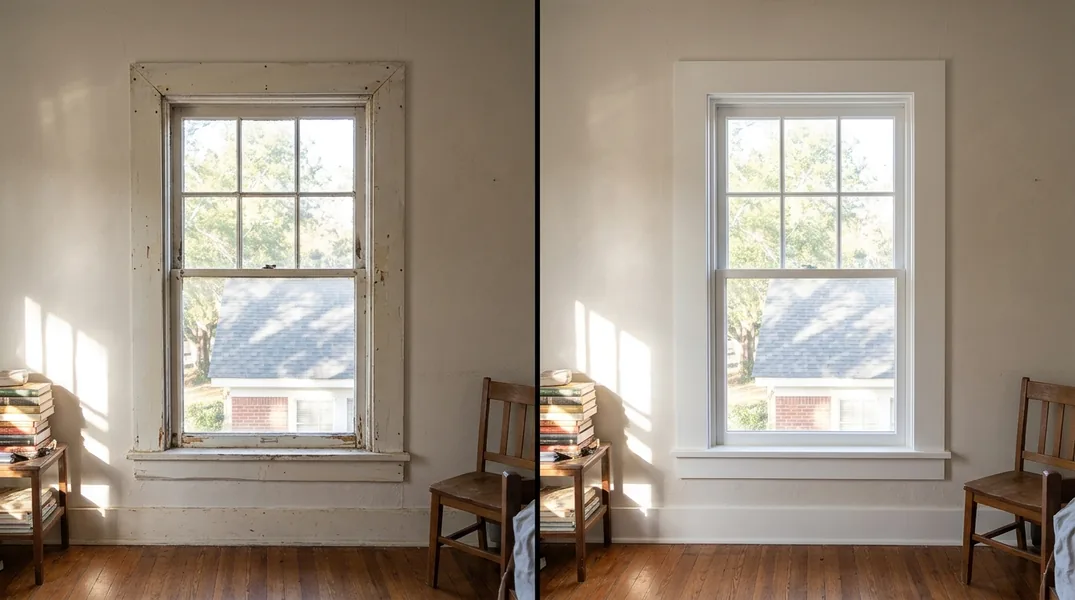
Why Historic Homes in Columbus Need Special Wood Care
If you own a home in Wynnton or the Historic District of Columbus, you already know that charm comes with responsibility. Victorian homes, Craftsman bungalows, and other period properties were built with solid wood framing, hardwood floors, and wooden siding that have endured for over a century. But that longevity doesn't mean your home is immune to damage. In fact, older homes face unique challenges that newer construction simply doesn't encounter.
The wood in historic homes is often old-growth timber, which is actually denser and more durable than modern lumber. However, this same wood becomes vulnerable when exposed to moisture, poor ventilation, and the natural settling that occurs over decades. Wood Rot & Dry Rot Repair is one of the most common issues we see in Columbus historic properties. The difference between catching rot early and waiting until it becomes structural is often the difference between a manageable repair and a major financial headache.
Victorian Home Maintenance: The Seasonal Checklist
Victorian homes are architectural treasures, but they demand consistent attention. These homes typically feature multiple roof lines, ornate trim, and wood siding that requires regular inspection. Start your maintenance routine in spring by walking the exterior perimeter of your home. Look for soft spots in the wood siding, peeling paint, and any gaps where water might enter. Pay special attention to areas where different materials meet, such as where wood trim meets brick or where roof flashing connects to siding. These transition zones are where water loves to hide and cause problems.
Summer is the time to address any findings from your spring inspection. If you notice soft wood siding or areas where paint is bubbling, these are signs that moisture has penetrated the surface. Don't wait until fall to have these areas evaluated. In autumn, focus on gutter cleaning and ensuring that water is flowing properly away from your foundation and wooden elements. Winter can be harsh on exposed wood, especially in areas that experience freeze-thaw cycles. Before cold weather arrives, make sure all caulking is intact and that your home's exterior is properly sealed. If you find damage during any season, contact Columbus Carpentry at (762) 266-0693 to schedule an inspection before small problems become expensive ones.
Craftsman Bungalow Repair: Protecting Your Foundation and Framing
Craftsman bungalows, popular in Columbus neighborhoods built between 1900 and 1930, are known for their solid construction and beautiful wood details. These homes often sit closer to the ground than modern homes, which means they face higher moisture exposure from soil splash-back and humidity. The crawl spaces and basements of Craftsman homes are particularly vulnerable to moisture problems that can lead to wood rot in floor joists and subfloors.
Floor Joist & Subfloor Repair becomes necessary when moisture has compromised the structural wood supporting your floors. If you notice soft or spongy spots in your flooring, or if you see visible wood damage in your crawl space, this is a sign that moisture control needs immediate attention. Proper ventilation, grading that directs water away from the foundation, and vapor barriers in crawl spaces are essential preventive measures. Many Craftsman homes also feature exposed beam ceilings and structural elements that are both beautiful and vulnerable. These beams need to be monitored for signs of insect damage or moisture infiltration, as they are critical to your home's structural integrity.
Wood Siding Repair and Restoration in Historic Districts
Historic district homes in Columbus are often required to maintain their original appearance, which means wood siding repair must be done thoughtfully. Whether your home features drop siding, shiplap, or board-and-batten, the wood siding is both your home's first line of defense against weather and a significant aesthetic element. Damaged or deteriorating siding allows water to penetrate into the wall cavities, where it can cause hidden rot in framing members that you can't see until the damage is severe.
The key to long-term wood siding health is maintaining a protective finish. Paint or stain should be refreshed every 5 to 7 years, depending on your climate and sun exposure. When you notice paint peeling, wood checking (small cracks across the grain), or areas where the wood feels soft to the touch, these are signs that your siding needs attention. Rather than simply repainting over damaged wood, the underlying damage must be addressed first. This might involve replacing individual siding boards, repairing corner boards, or addressing rot that has spread into the framing. Columbus Carpentry specializes in matching historic siding profiles and ensuring that repairs blend seamlessly with your home's original character. If you're noticing siding damage, get a free estimate to understand the scope of work needed.
Termite Damage and Other Hidden Threats in Older Homes
While wood rot from moisture is the most common issue we address, termite damage is another serious threat to historic homes. Subterranean termites are common in Georgia and are attracted to wood that is in contact with soil or that has elevated moisture levels. Unlike the visible damage from rot, termite damage can be hidden inside wall cavities and structural members for years before becoming noticeable. By the time you see termite tubes on your foundation or notice hollow-sounding wood, significant damage may have already occurred.
Termite Damage Repair often goes hand-in-hand with moisture control, since termites thrive in damp conditions. If you have a termite infestation, you'll need both pest control treatment and structural repair to address the damage. This is where working with a skilled carpentry contractor becomes essential. We can assess the extent of damage, determine whether structural members need to be replaced, and ensure that repairs restore your home's integrity. Regular inspections, especially in crawl spaces and around the foundation, are your best defense against termite damage becoming catastrophic.
When to Call a Professional: Structural Concerns and Load-Bearing Elements
Some wood damage in historic homes is purely cosmetic, while other damage threatens your home's structural safety. If you notice sagging floors, doors that no longer close properly, or visible cracks in plaster walls, these can be signs that structural members have been compromised. This is not a DIY situation. Damage to Beam Replacement & Load-Bearing Wall Removal requires professional assessment and engineering expertise to ensure that repairs are done safely and to code.
Historic homes sometimes require structural modifications that must be handled by experienced professionals who understand both modern building codes and the unique requirements of older homes. If you're planning renovations that involve removing walls, replacing beams, or altering the structural system, professional guidance is non-negotiable. Columbus Carpentry has extensive experience working on historic properties and understands how to make necessary repairs while preserving the character and integrity of your home. Don't guess about structural issues. Call (762) 266-0693 to discuss your concerns and get professional advice on what your home actually needs.
Looking for a professional carpentry contractor in Columbus? Columbus Carpentry responds fast for all your carpentry needs.
Get a Free QuoteOur services: Wood Rot & Dry Rot Repair · Termite Damage Repair · Floor Joist & Subfloor Repair