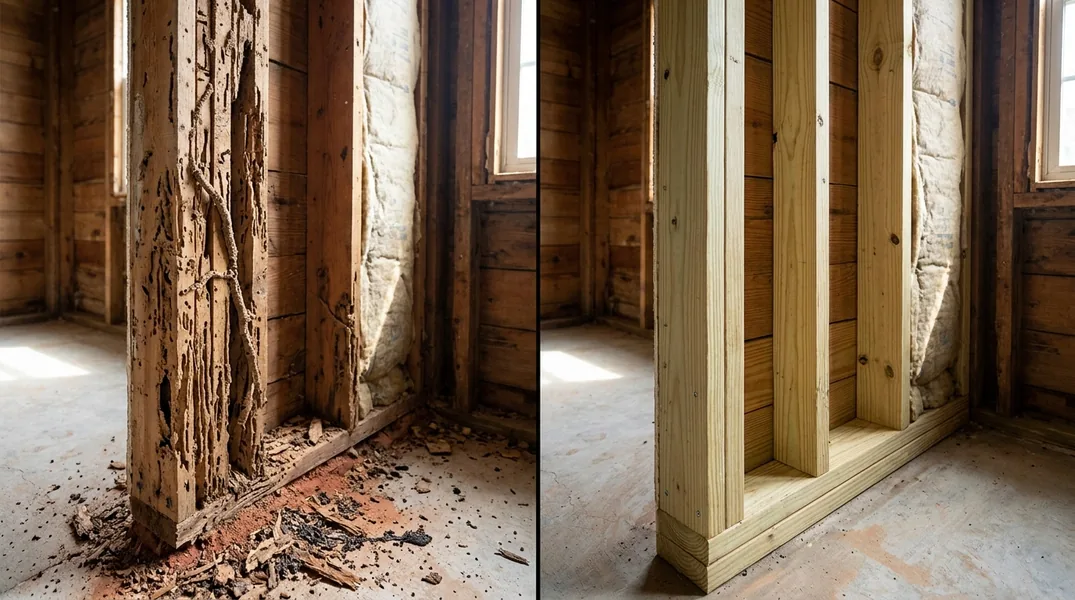
The Perfect Storm: Why Columbus Homes Are Vulnerable
Columbus sits in a region where environmental conditions create an ideal breeding ground for wood-destroying pests and fungi. The combination of warm, humid summers and mild winters means that termites and wood rot organisms never truly go dormant. Unlike homeowners in colder climates who get a natural pest reprieve during winter months, property owners in Columbus must remain vigilant year-round.
The soil composition in this area also plays a significant role. Georgia's clay-rich soils retain moisture exceptionally well, creating damp conditions around foundation perimeters. Termites thrive in these moist environments, using the soil as a highway to access wooden structural elements. Additionally, the region's frequent rainfall and high humidity levels mean that wood surfaces stay wet longer, accelerating the decay process that leads to dry rot and other fungal infestations. Understanding these local risk factors is the first step toward protecting your home.
Termite Damage: The Silent Destroyer in Columbus Homes
Termite Damage Repair is one of the most common services requested by homeowners in this region, and for good reason. Termites cause an estimated five billion dollars in damage annually across the United States, and Columbus properties are particularly susceptible. These insects work silently and out of sight, often causing extensive structural damage before a homeowner even realizes there's a problem. By the time visible signs appear, the damage can be substantial and costly to repair.
The most common type of termite in Georgia is the subterranean termite, which builds mud tubes from the soil to wooden structures. They consume wood from the inside out, leaving a thin shell of material that may appear intact on the surface while the interior is completely hollowed. This makes early detection challenging for untrained eyes. Many homeowners don't discover termite infestations until they notice sagging floors, soft wood, or swarms of winged termites during spring. At that point, professional Termite Damage Repair becomes essential to prevent further deterioration of your home's structural integrity.
Understanding Wood Rot and Dry Rot in the Columbus Climate
Wood Rot & Dry Rot Repair addresses damage caused by fungal organisms that thrive in the warm, moist conditions prevalent throughout Georgia. While many people use the terms interchangeably, dry rot and wet rot are actually different types of fungal decay. Dry rot occurs when wood moisture content drops after initial fungal colonization, while wet rot requires constant moisture to spread. Both types are common in Columbus homes, often affecting areas like crawl spaces, basements, attics, and around plumbing fixtures.
The problem with rot is that it progresses silently and can affect large areas of your home's structural framework before becoming obvious. Rotted wood loses its strength and load-bearing capacity, which can compromise your home's structural integrity. Decks, siding, window frames, and roof components are particularly vulnerable. If you notice soft spots when pressing on wood, discoloration, or a musty smell in certain areas of your home, you likely have rot damage that requires professional attention. Early intervention through Wood Rot & Dry Rot Repair services can prevent the need for expensive structural replacement down the road.
How Moisture Problems Accelerate Damage in Your Home
Moisture is the common denominator in virtually every termite and rot problem affecting homes in this region. Whether it's poor drainage around your foundation, inadequate ventilation in crawl spaces, or leaking gutters, excess moisture creates an environment where wood-destroying organisms flourish. Many older homes in the area were built without modern moisture barriers, making them particularly vulnerable. Even newer construction can develop moisture problems if gutters aren't maintained, grading slopes toward the house instead of away from it, or if HVAC systems aren't properly sized and maintained.
The key to preventing expensive repairs is addressing moisture issues before they lead to pest infestations or fungal decay. This means keeping gutters clean and properly pitched, ensuring downspouts direct water at least four feet away from your foundation, maintaining proper grading around your home, and ensuring crawl spaces have adequate ventilation. If you've experienced water intrusion or notice persistent dampness in any area of your home, it's worth getting a professional inspection. Columbus Carpentry can assess whether moisture problems have already led to structural damage and recommend solutions before the situation worsens.
Signs Your Home May Need Termite Damage Repair or Wood Rot Repair
Recognizing the warning signs of termite and rot damage is crucial for early intervention. Common indicators include hollow-sounding wood when tapped with a hammer, visible mud tubes running along foundation walls or wooden beams, sagging or squeaky floors, windows or doors that stick or no longer close properly, and cracked or bubbling paint on wood surfaces. You might also notice small holes in wood (termite exit holes), wood that crumbles easily when pressed, or a musty, earthy odor in crawl spaces or basements. Some homeowners discover damage only when they see termite swarmers (winged reproductive termites) inside or around their home during spring or fall.
If you've noticed any of these signs, don't delay in seeking professional help. The longer wood-destroying pests and fungi are left unchecked, the more extensive and expensive the damage becomes. What might have been a manageable Termite Damage Repair project can escalate to requiring Floor Joist & Subfloor Repair or even Beam Replacement & Load-Bearing Wall Removal if the infestation spreads to critical structural elements. Contact Columbus Carpentry at (762) 266-0693 for a free estimate if you suspect damage in your home.
Termite Damage Repair Cost in Columbus: What to Budget
Understanding pricing for termite and rot repairs is important for homeowners planning their budgets. The termite damage repair cost varies widely depending on the extent of infestation, the structural elements affected, and how long the damage has been occurring. Minor infestations caught early might require only localized wood replacement and treatment, potentially costing several hundred dollars. However, extensive termite damage affecting multiple structural components can easily reach several thousand dollars or more.
Factors that influence termite damage repair cost include the size of the affected area, whether load-bearing structures are compromised, the accessibility of the damaged wood, and whether additional treatments are needed to prevent reinfestation. Wood rot repair costs follow a similar pattern, with pricing dependent on the severity and location of the decay. Rather than guessing at costs, the best approach is to schedule a professional inspection. Columbus Carpentry provides transparent pricing and detailed estimates so you understand exactly what work is needed and what it will cost. Call (762) 266-0693 or visit our website to request a free estimate today.
Looking for a professional carpentry contractor in Columbus? Columbus Carpentry responds fast for all your carpentry needs.
Get a Free QuoteOur services: Wood Rot & Dry Rot Repair · Termite Damage Repair · Floor Joist & Subfloor Repair